Ash or Oak: Choosing Wood for Furniture and Woodworking Projects
 Oak and ash are two timeless competitors for the attention of buyers and the preference of woodworkers. Although they belong to different botanical families, these two species share certain aesthetic and practical qualities. On top of that, their prices are also comparable, which only makes the final decision more difficult.
In this article, we’ll look at ash and oak from different perspectives, evaluate their visual appeal through photos, and help you—regardless of your goals or needs—gain a better understanding of these two wood species.
Native Range and Growth Characteristics. Where Oak and Ash Are Native
To begin with, we’ll be talking about Pedunculate Oak (Quercus robur), also known as Common Oak, European Oak, or English Oak, and European Ash (Fraxinus excelsior).

Both trees are classic representatives of the heavyweight European hardwood species. They are distributed across nearly the same range, from Spain to Siberia. On other continents, particularly in North America and Africa, they can be found as introduced species, but they have not become widely established.
Pedunculate Oak grows taller, wider, and lives longer than ash. Another characteristic difference is the oak’s tendency to develop large, spreading branches whenever its natural environment allows. Ash, on the other hand, tends to grow rapidly upward before forming a rounded crown at the top. However, every rule has its exceptions, and once a particular tree grows under specific conditions, its growth habit can easily adapt. In other words, ash can also develop a broad crown and branches along much of the trunk if there is enough open space and sunlight. Likewise, oak can become much less expansive when forced to compete intensely for sunlight, water, and nutrients.
In some cases, oak reaches an impressive height of 50 to 70 meters (165 to 230 feet), which is remarkable for European flora. More commonly, however, it reaches between 30 and 50 meters (100 to 165 feet). In forest conditions, the trunk diameter of oak is generally between 30 and 70 centimeters (12 to 28 inches), although trees with trunk diameters of 1 to 1.5 meters (3.3 to 5 feet) are also found.

The height of European Ash is equally impressive, although in the vast majority of cases it ranges from 25 to 50 meters (82 to 165 feet). The average trunk diameter of European Ash is 30 to 50 centimeters (12 to 20 inches), occasionally reaching 70 to 100 centimeters (28 to 39 inches).
Long Tart Cherry Smartphone Stand, Discounted Phone Stand
Price range: 7.00 $ through 7.20 $Select optionsRustic Plum Wood Smartphone Stand, White-and-Maroon Desk Phone Holder
Price range: 10.50 $ through 14.80 $Select optionsOak Phone Stand, Wooden Desktop Stand with Carved Edges
Price range: 10.50 $ through 10.90 $Select optionsTart Cherry Wood Phone Stand: Orange Desk Holder for Your Phone
Price range: 9.90 $ through 11.50 $Select optionsSweet Cherry Wood Phone Stand, Wooden Smartphone Desk Holder
Price range: 9.50 $ through 14.80 $Select options


Ash and Oak Wood. Similarities and Differences
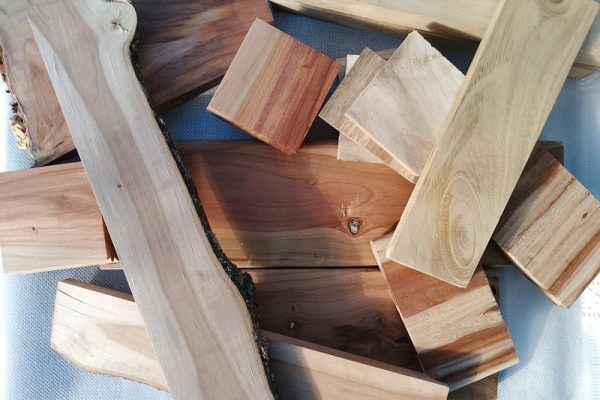
When speaking about English Oak, its color ranges from light brown to dark brown. The grain on a longitudinal cut is distinctive and, in a sense, characteristic of the species. The wider the original board and the smaller the finished product, the less noticeable the grain becomes, resulting in broader patterns. If the original board was relatively narrow – for example, 10 to 15 centimeters (4 to 6 inches) – this issue is generally not observed. In other words, the beauty of Pedunculate Oak is fully revealed when the proportions between the lumber and the finished product are appropriate. It is also worth mentioning that oak displays an attractive grain pattern on end grain as well.

Speaking of oak’s disadvantages, one of them is its need for a long drying period. Traditional woodworkers maintain that naturally air-drying oak should take at least five to seven years. Even so, checking and cracking in both longitudinal and cross sections can generally be described as moderate. Overall, oak is a fairly stable wood, which is one of the reasons it has earned such widespread recognition among craftsmen around the world, particularly in Europe.
Ash is only slightly less dense than oak. From the buyer’s perspective, however, the difference in weight is practically unnoticeable. In other words, a non-specialist would be unlikely to tell which wood they are looking at if two products made from ash and oak were finished in the same color, for example.
Wooden Wine Glass Coasters Made from Plum Wood, Rustic Wooden Wine Stands
Price range: 12.40 $ through 14.50 $Select options



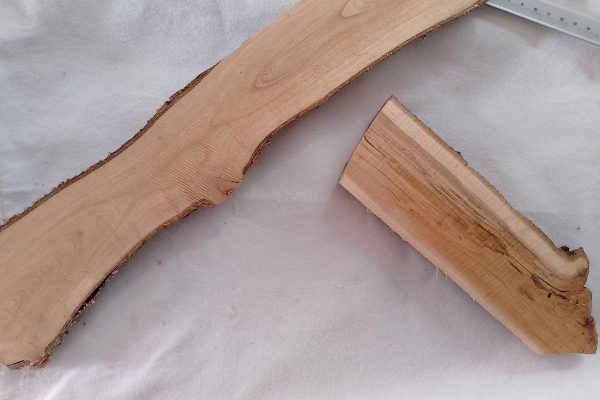
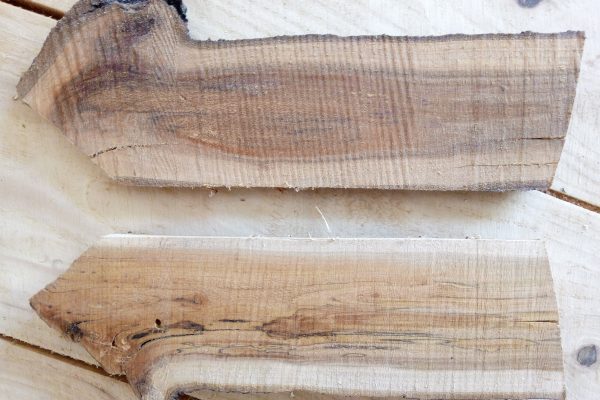
The natural color of ash ranges from light brown mixed with white and light gray to medium brown. As a rule, the grain is darker, creating bold, contrasting patterns against the lighter background of the wood. Therefore, we would argue that ash has a more pronounced grain pattern than oak. However, the width of the original board also has a significant impact on the visual appeal of the finished product. In other words, the narrower the finished piece, the narrower the board should be for the grain to look its best.

There is a common belief that ash is more difficult to work with because it is more prone to warping and other drying defects than oak. Like many common beliefs, this one has some truth behind it. This is perhaps the only significant disadvantage of ash compared to oak. Incidentally, ash dries somewhat faster under natural conditions, and three to five years may be sufficient, although this depends greatly on the actual conditions in a particular location.
Using Oak and Ash in Furniture Making and the Lumber Market
Both Pedunculate Oak and European Ash are widely used in woodworking. They are used both as solid wood and as various glued wood products. For example, they serve as raw material for edge-glued panels as well as laminated veneer products.
Since oak is generally perceived as the more prestigious wood, it is used, offered, and purchased more often. However, people who are familiar with wood as a material also have a high regard for ash. Besides certain aesthetic differences, ash has another undeniable advantage over oak—its price. Using very general estimates, one cubic meter of English Oak typically costs between $600 and $900, while one cubic meter of ash ranges from $400 to $700. These are broad estimates that do not account for conditions in a specific country or the quality of the timber itself. However, they provide a reasonable reference point for understanding the difference in the final cost of a product when the characteristics and appearance of the two woods are otherwise comparable.
Working with Ash and Oak
It should be said that both wood species respond well to virtually all types of machining. Jointing, trimming, sanding, and routing can all be performed without any special difficulties, provided the work is done properly. It’s especially worth noting that routing end grain generally produces very good, and often excellent, results.

There are some differences when it comes to applying the final finish, and each species has its own characteristics. For example, oak does not react well to excessive exposure to plain water before the final hand sanding. This can cause small bluish stains to appear due to the action of the wood’s natural tannins. Ash, on the other hand, is not particularly absorbent when it comes to varnish. However, these are relatively minor details that have little effect on the overall characteristics of either wood.
Final Thoughts
European Oak and European Ash are both excellent choices for furniture making and virtually any woodworking project. While neither is considered a premium wood species, both offer an attractive appearance, solid performance, and are well regarded in Europe, North America, and many other parts of the world.
Which of these species should you choose for your kitchen cabinets, table, bed, or chairs? That decision is ultimately yours and should be based on your personal preferences. Our goal has simply been to present the facts, along with a few of our own observations on the subject.
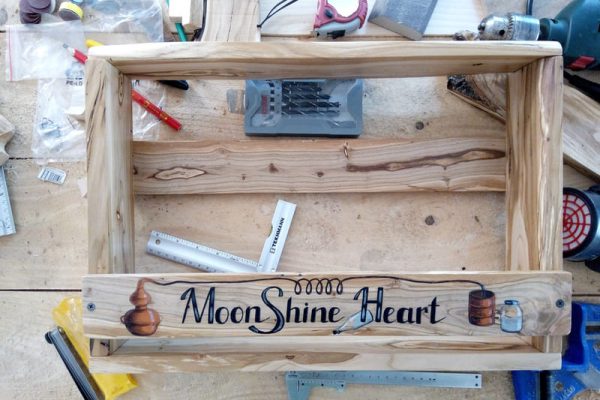
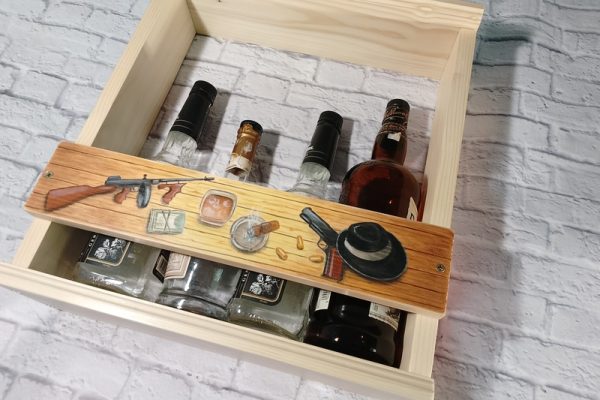
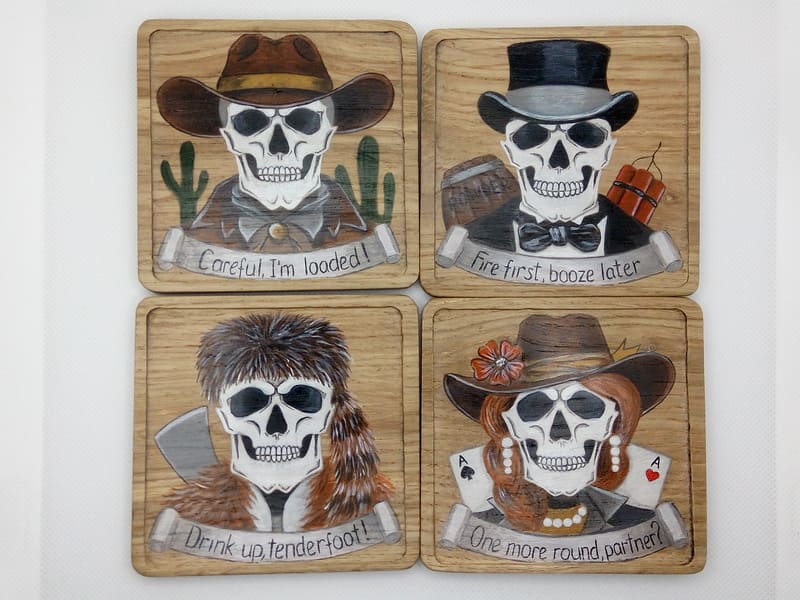
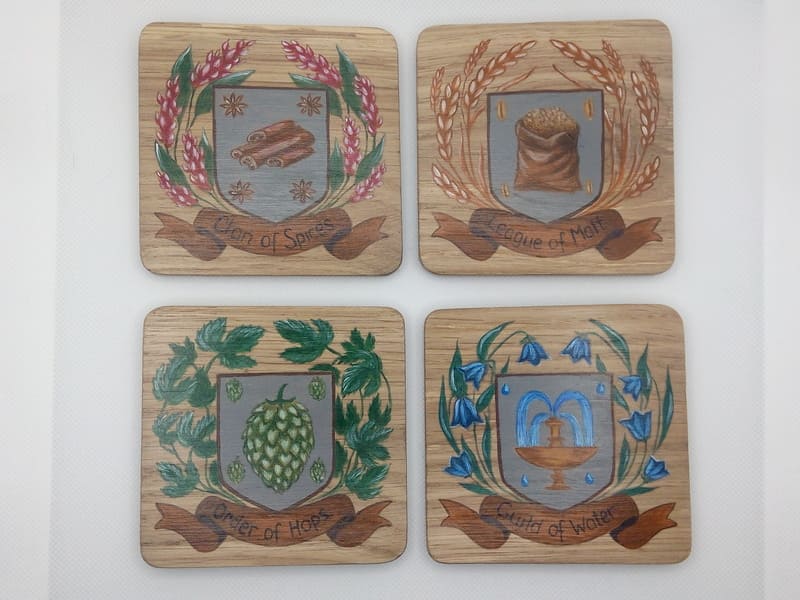
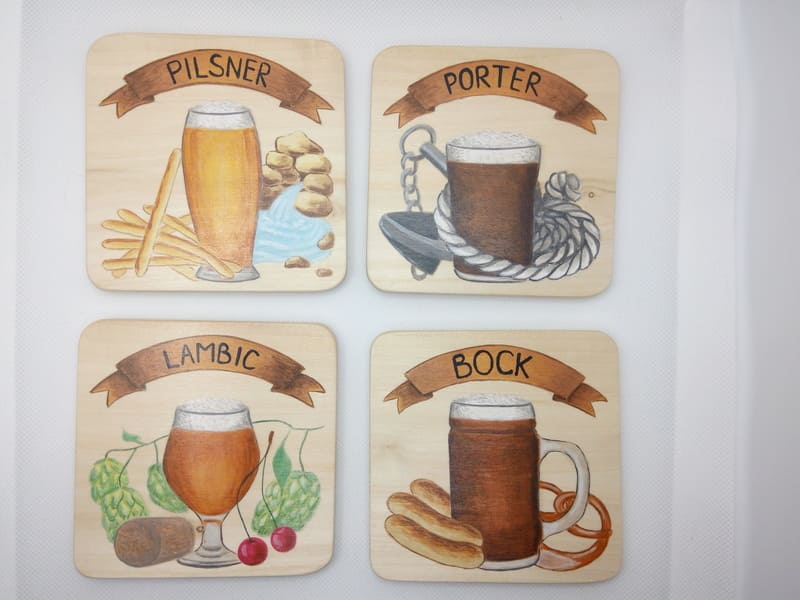
We would also like to add that the Old Red Country House online store specializes in exclusive handcrafted wooden products, including items made from Pedunculate Oak and European Ash. At the moment, our catalog features oak phone stands, oak beer coaster sets, and an ash schnapps shelf. The website also offers products made from other wood species. Every item is one of a kind – we do not make copies or duplicates. Feel free to browse our catalog; there’s a good chance you’ll find something that catches your eye.