Raw Wood vs Practicality. Why Furniture Is Coated with Varnish or Oil – and Is It Possible to Do Without It?
Is it possible to own solid wood furniture that is not coated with any kind of finish — natural or synthetic? This question has surely crossed the minds of many people. In this article, we will try to answer it.
Strictly speaking, yes – solid wood furniture can be made without varnish, oil, or any other absorbent finishes. However, the key problem is that wood is a natural material: it contains moisture and is subject to both chemical and physical deformation. Moreover, this process does not simply stop after a certain period of time – it continues at a slow pace. Sometimes it happens quickly, sometimes very slowly – everything depends on external conditions.

Another aspect worth addressing separately is harmful insects. In southern countries or in certain regions of temperate climates, there is no need to explain what termites are – everyone knows. But even in northern countries, there are plenty of pests that are more than willing to feed on fresh wood. That is why, before applying varnish or oil, furniture is preferably treated with an anti-wood-insect solution. On the other hand, one can choose not to do this – at their own risk.
Rustic Plum Wood Smartphone Stand, White-and-Maroon Desk Phone Holder
Price range: 10.50 $ through 14.80 $Select optionsLong Tart Cherry Smartphone Stand, Discounted Phone Stand
Price range: 7.00 $ through 7.20 $Select optionsTart Cherry Wood Phone Stand: Orange Desk Holder for Your Phone
Price range: 9.90 $ through 11.50 $Select optionsSweet Cherry Wood Phone Stand, Wooden Smartphone Desk Holder
Price range: 9.50 $ through 14.80 $Select optionsOak Phone Stand, Wooden Desktop Stand with Carved Edges
Price range: 10.50 $ through 10.90 $Select options


But everything comes at a price. And while skipping insect protection, for example for wall shelves, may not be critical, the absence of a top protective layer will almost certainly play a role. The point is that, despite different mechanisms of action, both oil and varnish slow down the natural aging and deformation processes of wood. In a way, it resembles something like Lenin being embalmed – but applied to furniture instead.

Oil – whether linseed, teak, or synthetically produced – acts as an impregnating agent, displacing existing moisture from the upper layers of the wood and preventing atmospheric moisture from penetrating inside. Varnish, on the other hand, forms a continuous film on the surface of the wooden product, effectively slowing down the aging process. These or similar methods make it possible to extend the service life of furniture while significantly reducing the risk of deformation. Unfortunately, they do not eliminate this risk entirely.
Wooden Wine Glass Coasters Made from Plum Wood, Rustic Wooden Wine Stands
Price range: 12.40 $ through 14.50 $Select options



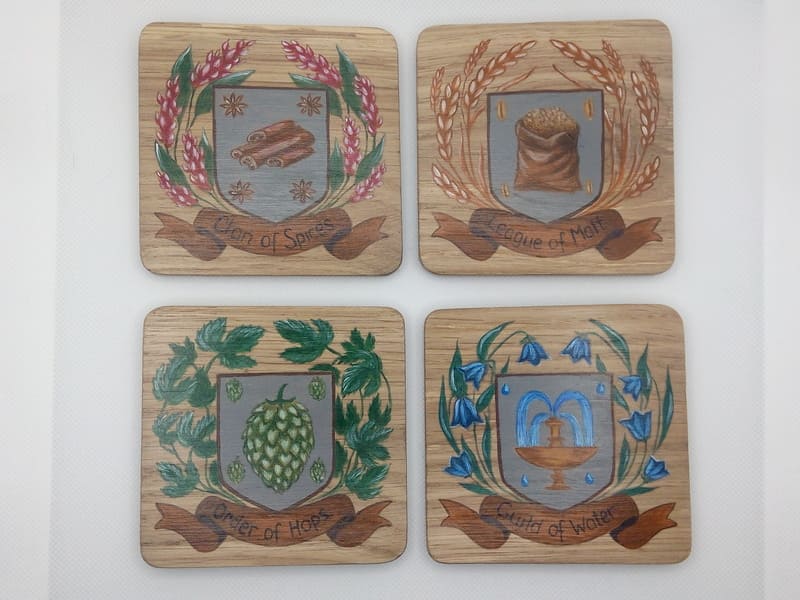

Another important factor involves cross-border regulations and quarantine rules. According to these standards, wood – like any other biological material – is considered a potential carrier of parasites and microorganisms. Therefore, in its “raw” form, it is usually not allowed to cross borders without special inspections and phytosanitary certification.
Taking all of the above into account, we can summarize the following: if you are making furniture for personal use rather than for sale, you may take the risk of leaving the wood untreated and simply observe how it behaves over time. If, however, furniture is created for commercial purposes, applying a protective finish to the wood is practically unavoidable.

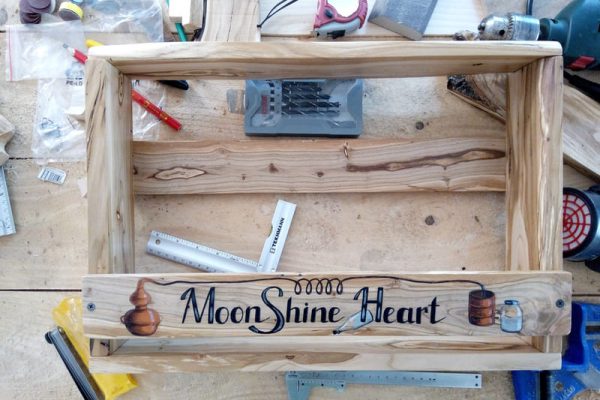
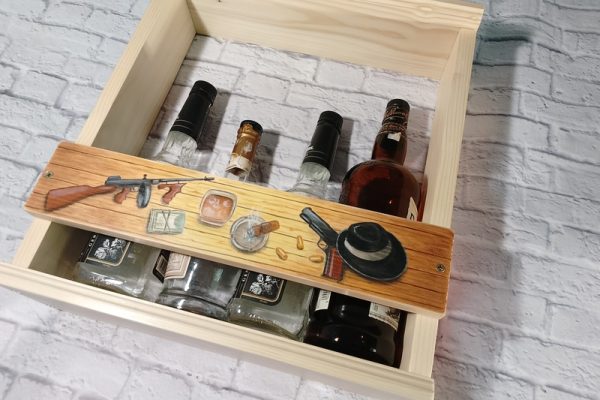
At Old Red Country House, we also coat all of our alcohol shelves. Since our shelves feature painted designs, the choice is almost non-negotiable – varnish, specifically clear water-based varnish in our case. This represents a reasonable compromise between the natural appearance of wood and long-term durability. Browse our catalog to explore shelves for schnapps, whiskey, bourbon, wine, tequila, and other alcoholic beverages. You may find something that catches your eye and decide to make a purchase. We are always happy to welcome new connections and collaborations.